 EN
EN
 AR
AR
 BG
BG
 HR
HR
 CS
CS
 DA
DA
 NL
NL
 FI
FI
 FR
FR
 DE
DE
 EL
EL
 HI
HI
 IT
IT
 JA
JA
 KO
KO
 NO
NO
 PL
PL
 PT
PT
 RO
RO
 RU
RU
 ES
ES
 SV
SV
 TL
TL
 ID
ID
 SR
SR
 UK
UK
 VI
VI
 HU
HU
 TH
TH
 TR
TR
 AF
AF
 MS
MS
 BE
BE
 IS
IS
 KA
KA
 BN
BN
 NE
NE
 MY
MY
 KK
KK
 UZ
UZ

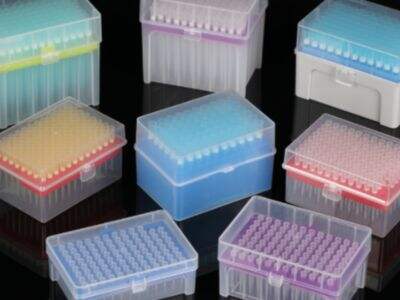
पिपेटहरू तरल पदार्थको सानो मात्रा स्थानान्तरण गर्न प्रयोगशालाका कर्मचारीहरूले प्रयोग गर्ने उपकरणहरू हुन्। दुई प्रचलित प्रकारहरू छन्, प्लास्टिक पिपेट र ग्लास पिपेट। दुवैमा आफ्ना फाइदा र बेफाइदा छन्। तर कुन चयन गर्ने भन्ने कुरा प्रायः प्रयोगशालामा कस्तो काम भइरहेको छ, प्रयोगकर्ताले कति सावधानी अपनाउन आवश्यक छ वा चाहन्छ र कति बजेट छ भन्ने कुरामा निर्भर गर्दछ। क्याङ्वेई मेडिकलले दुवै प्रकारका उत्पादन गर्दछ, उनको भनाइ अनुसार, गुणस्तर र प्रयोगकर्ताको आवश्यकतामा केन्द्रित हुनका लागि। फरकहरू जान्न महत्त्वपूर्ण छ किनभने यसले प्रयोगशालाहरूलाई अधिक उत्तम ढंगले काम गर्न मद्दत गर्दछ र गलत पिपेट प्रयोग गर्दा हुन सक्ने त्रुटिहरूबाट बच्न मद्दत गर्दछ।
प्रयोगशालामा ग्लास पिपेट र प्लास्टिक ड्रपरहरू बीचका सामान्य प्रयोग समस्याहरू
ग्लास पिपेटहरू धेरै वर्षदेखि प्रयोग गरिँदै आएका छन्। तिनीहरू ताप र रासायनिक पदार्थहरू प्रति प्रतिरोधी हुन्छन्, त्यसैले तिनीहरूलाई धुएर बारम्बार पुन: प्रयोग गर्न सकिन्छ। तर गिलास खसाल्दा वा ठोक्किएमा भंगुर हुन्छ, जुन व्यस्त प्रयोगशालाहरूमा खतरा हुन सक्छ। विपरीतमा, जब गिलास पिपेटको टिप तिनीहरू टुक्रिएपछि धारिलो टुक्राहरू छोड्छन् जसले घाइते हुने सम्भावना रहन्छ र प्रदूषण बचाउन नष्ट गर्न आवश्यक पर्दछ। र प्रत्येक प्रयोग पछि सफा गर्न सावधानी अपनाउन आवश्यक हुन्छ। यदि ठीकसँग सफा नगरिएमा, पुरानो रसायनले नयाँ नमूनाहरूलाई दूषित गर्न सक्छ र गलत परिणाम दिन सक्छ। अर्कोतिर, प्लास्टिक पिपेटहरू हल्का र टुट्नबाट बढी प्रतिरोधी हुन्छन्। वैज्ञानिक प्रयोगशालाहरूले प्लास्टिक पिपेटहरूलाई एक पटक प्रयोग गरेर फाल्न सकिने हुनाले मनपराउँछन्, जसले सफाईको आवश्यकता नै हुँदैन। यसले पहिलेको प्रयोगबाट हुने संक्रमणको जोखिमलाई न्यूनतममा ल्याउँछ। तर प्लास्टिक पिपेटहरू उच्च तापमानमा पग्लन सक्छन् र केही रसायनहरूसँग प्रतिक्रिया गर्न सक्छन्। उदाहरणका लागि, यदि प्रयोगशालाले कठोर विलायकहरू प्रयोग गर्छ भने, प्लास्टिक पिपेटहरू फुल्न वा टुट्न सक्छन्। कहिलेकाहीँ प्लास्टिकले तरललाई आत्मसात गर्न सक्छ, जसले सटीक नाप्न गाह्रो बनाउँछ। ग्लास पिपेटहरूमा यो समस्या धेरै कम हुन्छ किनभने तिनीहरूको सतह धेरै चिक्नी हुन्छ। यदि धेरै प्रयोगशालाहरूमा काम गर्नु भएको हो भने, मलाई थाहा छ कि यदि एक जति सावधानी अपनाइन्छ भने ग्लास पिपेटहरू सटीकताका लागि ठीकसँग काम गर्छन्। प्लास्टिक पिपेटहरू छिटो परीक्षणका लागि र त्यस्ता अवस्थामा जहाँ सुरक्षा ठूलो मुद्दा हुन्छ (जस्तै धेरै मानिसहरू एउटै ठाउँमा काम गर्दा) बढी उपयुक्त हुन्छन्। तर प्रयोगकर्ताहरूले यो ध्यानमा राख्नुपर्छ कि प्लास्टिक पिपेटहरूले कहिलेकाहीँ गलत प्रयोग गरेमा नाप्ने क्रममा सानो त्रुटि पनि ल्याउन सक्छन्। त्यसैले प्रत्येक प्रकारको प्रयोग कहिले गर्ने भन्ने कुरा जान्नु नै समस्याबाट बच्नको चाबी हो।
थोक क्रेताहरूका लागि - थोकमा प्लास्टिक पाइपेटहरू किन्नुको फाइदाहरू विरुद्ध काँचको
ठूलो मात्रामा पिपेट खरीद्ने थोक खरीददारहरूका लागि प्लास्टिक पिपेट एउटा उत्कृष्ट विकल्प हो। दुई, प्लास्टिकमा उत्पादन गर्दा प्रति एकाइ सस्तो हुन्छ। यसले एउटै रकममा धेरै पिपेट पाउनुको अर्थ हो। क्याङ्वेई मेडिकलमा, हामीले जान्छौं कि दैनिक धेरै परीक्षणहरू सम्पादन गर्ने प्रयोगशालाहरूका लागि यो कति महत्त्वपूर्ण छ। प्लास्टिक पिपेट अझै लागत-प्रभावकारी पनि हुन्छ किनभने तिनीहरूलाई बारम्बार सफा गर्न वा भाँचिएपछि बदल्न आवश्यकता पर्दैन। काचका पिपेटहरू ढुवानी वा प्रयोगको क्रममा भाँचिन सक्छन्, जसले लागत र अपव्ययमा वृद्धि गर्छ। प्लास्टिक पिपेट पहिले नै ठूलो मात्रामा बल्क गरिएका हुन्छन्, जसले प्रयोगशालाका व्यक्तिहरूका लागि समय बचत गर्छ। समय बचतले काम छिटो गर्न सकिन्छ, जसले सफाई वा कीटाणुरहित गर्ने क्रममा गल्ती हुने जोखिम घटाउँछ। अन्त्यमा, प्लास्टिक पिपेट ढुवानीको समयमा कम तौल र स्थान ओगट्छ। यसले ढुवानी र भण्डारणको लागत दुवै घटाउँछ। केही खरीददारहरू प्लास्टिकको फोहोरको बारेमा चिन्तित हुन्छन्, तर क्याङ्वेई मेडिकलले पर्यावरणीय क्षति घटाउन रिसाइकल गर्न सकिने सामग्रीका विकल्पहरू प्रदान गर्छ। ठूलो मात्रामा खरीद गर्नुले खरीददारहरूलाई उनीहरूको ठीक आवश्यकताहरू जस्तै विभिन्न आकार वा विशिष्ट टिपहरूसँग मिल्ने पिपेटहरू प्राप्त गर्न अनुमति दिन्छ। यो लचिलोपनले प्रयोगशालाहरूलाई विभिन्न उत्पादनहरूमा अत्यधिक लगानी नगर्न मद्दत गर्छ, र काम निर्बाध रूपमा चल्न राख्छ। मैले पाएको छु कि ठूलो मात्रामा प्लास्टिक पिपेट खरीद गर्ने व्यक्तिहरूले तिनीहरूको निर्भरताको आपूर्ति र प्लंजर अटिएको वा फैलिएको कुराको बारेमा चिन्ता नगर्न पाउनुलाई महत्त्व दिन्छन्। यसले प्रयोगशालाहरूलाई आफ्नो काममा धेरै समय दिन र आवश्यक सामग्रीको बारेमा कम चिन्ता गर्न सक्षम बनाउँछ। कुनै पनि ठूलो प्रयोगशाला वा धेरै प्रयोगशालाहरूलाई सेवा दिने कम्पनीका लागि, त्यस्तो विश्वसनीयता अमूल्य हुन्छ। क्याङ्वेई मेडिकलबाट ठूलो मात्रामा प्लास्टिक पिपेट छान्नु गुणस्तर प्राप्त गर्ने, पैसा बचत गर्ने र तपाईंको प्रयोगशालाको कामलाई धेरै सुरक्षित र अधिक कार्यक्षम बनाउने तरिका हो।
यथार्थताका लागि उपयुक्त प्लास्टिक वा ग्लास पिपेटहरू छान्नुहोस्
तरलको सानो मात्रा मापन र स्थानान्तरण गर्दा, प्रयोग गरिएको पिपेटको प्रकारले स्थानान्तरित मात्रामा ठूलो प्रभाव पार्छ। पिपेटहरूले अनुसन्धानकर्ताहरू, डाक्टरहरू र विद्यार्थीहरूलाई तरल पदार्थसँग सावधानीपूर्वक काम गर्न मद्दत गर्छन्। दुई प्रकार: ग्लास र प्लास्टिक पिपेट दुई सामान्य प्रकारहरू छन्। दुवैमा आफ्नै अनौठा गुणहरू छन् जसले तिनीहरूलाई केही कार्यहरूका लागि बढी उपयुक्त बनाउँछ। यदि तपाईं यथार्थ कार्यका लागि उत्तम पिपेट छान्न बजारमा हुनुहुन्छ भने, तपाईंले विचार गर्नुपर्ने केही चीजहरू छन्।
पहिलो, तपाईंले आवश्यकता पर्ने यथार्थताको बारेमा विचार गर्नुहोस्। ग्लास पिपेट कहिलेकाहीँ बढी सटीक हुन्छन्, किनभने तिनीहरूलाई धेरै नै सानो मापनमा निर्माण गर्न सकिन्छ जुन तिनीहरूमा छापिएको वा खुर्सानी गरिएको हुन्छ। यसले प्रयोग वा चिकित्सा परीक्षणहरूमा ठीक तरलको मात्रा दिन सक्छ, जहाँ सानो फरकले पनि ठूलो महत्त्व हुन सक्छ। प्लास्टिक पिपेटहरू पनि सटीक हुन सक्छन्, तर कहिलेकाहीँ चिन्हहरू त्यति तीव्र वा सटीक हुँदैनन्। यदि तपाईंलाई धेरै सानो मात्राको लागि उच्चतम सटीकताको आवश्यकता छ भने, काँचको प्रयोग उत्तम हुन सक्छ।
त्यसपछि तपाईंले प्रयोग गर्दै गरेका रासायनिक पदार्थहरूको बारेमा विचार गर्नुहोस्। केही तरल पदार्थहरू प्लास्टिकलाई घोल्न सक्छन् वा यसलाई पगाल्न बाध्य बनाउँछन्, तर केही प्लास्टिकहरू शक्तिशाली रासायनिक पदार्थहरूबाट हुने क्षरणको प्रतिरोध गर्न सक्छन्। काँचका पिपेटहरू धेरै रासायनिक पदार्थहरूको प्रतिरोधी हुन्छन्, त्यसैले तपाईं शक्तिशाली एसिड वा अन्य आक्रामक तरल पदार्थहरूसँग काम गर्दै गर्दा यो बढी सुरक्षित हुन सक्छ। तर, खतरनाक नभएका तरल पदार्थहरूको लागि, तिनीहरू तौल र प्रयोग गर्न सजिलो हुनाले इच्छनीय हुन्छन्।
साथै, तपाईंले पिपेटहरू सफा गर्ने र पुनः चक्रीय गर्ने तरिकाको बारेमा सोच्नुहोस्। साथै, काँचका पिपेटहरूलाई धेरै पटक सफा गरी पुनः प्रयोग गर्न सकिन्छ जसले धन बचत गर्न र अपशिष्ट घटाउनमा मद्दत गर्दछ। प्लास्टिकका पिपेटहरू विशेष गरी एकपटक प्रयोगका लागि बनाइएका हुन्छन्, विशेष गरी स्वास्थ्य सेवामा, जहाँ सबै कुरा स्वच्छ र स्वच्छतामा राख्नु आवश्यक हुन्छ। यदि तपाईंलाई एकपटक प्रयोग गरेर फाल्ने पिपेट चाहिएको छ ताकि संदूषणबाट बच्न सकोस् भने, प्लास्टिक उत्तम हुन्छ।
अन्त्यमा, तपाईंको बजेट र तपाईंले कति पिपेटहरूको आवश्यकता छ भन्ने कुरालाई विचार गर्नुहोस्। काँचका पिपेटहरूको प्रारम्भिक मूल्य बढी हुन सक्छ तर लामो समयसम्म चल्छन्। प्लास्टिकका पिपेटहरू सामान्यतया सस्ता हुन्छन्, तर बारम्बार फाल्नुपर्छ र प्रतिस्थापन गर्नुपर्छ। काङ्वेई मेडिकलले प्लास्टिक र काँच दुवै प्रकारका पिपेटहरू उपलब्ध गराउँछ, तपाईंले आफ्नो आवश्यकताको लागि उत्तम उपकरण फेला पार्नुहुनेछ। शुद्धता, रासायनिक सुरक्षा, स्वच्छता र लागतको बारेमा सोच्नाले तपाईंलाई आफ्नो ठीक कार्यका लागि उत्तम पिपेट छान्न मार्गदर्शन गर्न मद्दत गर्दछ।
विश्वसनीय प्लास्टिक र काँचका ड्रपरहरूका थोक विक्रेताहरू कहाँबाट प्राप्त गर्ने
विशेष गरी प्रत्येक दिन धेरै पिपेटहरूको आवश्यकता भएका स्कूल, प्रयोगशाला, अस्पताल वा कम्पनीहरूका लागि प्लास्टिक र ग्लास पिपेटहरू थोकमा किन्न उपयुक्त स्थानहरू खोज्नु आवश्यक छ। प्रतिष्ठित थोक विक्रेताबाट खरिद गर्नुहोस् र सस्तो मूल्यमा उच्च गुणस्तरका पिपेटहरूको आनन्द लिनुहोस्। यसले तपाईंलाई यो पनि सुनिश्चित गर्दछ कि सम्बन्धित उत्पादनहरू काम गर्नेछन् र समयमै पुग्नेछन्। आपूर्तिकर्ता खोज्दा तपाईंले विचार गर्नुपर्ने केही कुराहरू छन्।
पहिलो, पिपेट आपूर्तिकर्ताहरू खोज्नुहोस् जसको पिपेटहरूको चयन विस्तृत छ। केहीले प्लास्टिक पिपेटको आवश्यकता हुन्छ, अरूले ग्लासको। क्याङ्वेई मेडिकल जस्तो आपूर्तिकर्ताले दुवै प्रदान गर्दछ, जसले गर्दा तपाईंले आफूलाई चाहिएका सबै कुराका लागि एउटै ठाउँमा भर पर्न सक्नुहुन्छ। यसो गर्दा तपाईंले समय बचत गर्नुहुन्छ र आदेश दिनु पनि सजिलो हुन्छ। यदि आपूर्तिकर्तासँग पिपेटहरूका विभिन्न आकार र शैलीहरू उपलब्ध छन् भने तपाईंको कार्यका लागि उपयुक्त फिट पाउन सजिलो हुन्छ।
दोस्रो, आपूर्तिकर्ताको विश्वसनीयता कति छ भनेर प्रमाणित गर्नुहोस्। यसको अर्थ उनीहरूले अर्डर छिटो ढुवानी गर्छन् र उत्पादनहरू आफैंले भनेको जस्तै हुन्छन्। तपाईंले चाहने अन्तिम कुरा सजिलै भाँचिने वा खराब मापन भएका पिपेटहरू हुन्। गुणस्तर, विश्वसनीय सेवा नै काङ्वेई मेडिकल कम्युनिकेसनको पहिचान हो, र तपाईं ठूलो मात्रामा किन्न खोजिरहनुभएको छ भने तिनीहरू विचार गर्न उपयुक्त स्रोत हुन्।
तेस्रो, ग्राहक सहयोगको बारेमा विचार गर्नुहोस्। एउटा गुणस्तरीय आपूर्तिकर्ताले तपाईंका प्रश्नहरूको जवाफ दिनेछ र उपयुक्त पिपेटहरू छान्न मद्दत गर्नेछ। यदि तपाईं निश्चित छैनन् कि कुन प्रकारका र कति पिपेटहरू किन्ने वा उनीहरूले सल्लाह दिनुपर्छ। यो सहयोग विशेष गरी स्कूलहरू वा नयाँ प्रयोगशालाहरूका लागि महत्वपूर्ण छ जसले पिपेट प्रयोग गर्न अझै बानी बनाइरहेका छन्।
साथै, आपूर्तिकर्ताले सुरक्षा र गुणस्तर मानकहरूको पालना गर्छ कि छैन भनेर पढ्नुहोस्। चिकित्सा र वैज्ञानिक उद्देश्यका लागि यो महत्वपूर्ण छ। पिपेटहरू सफा र प्रयोगका लागि उपयुक्त हुनुपर्छ। काङ्वेई मेडिकलले उनीहरूका पिपेटहरूका लागि उच्च गुणस्तर कायम राख्छ जुन प्रयोगमा विश्वसनीय र सुरक्षित हुन्छ।
अन्तमा, मूल्य लिनुहोस्, साथै शिपिङ लागत र विकल्पहरू विचार गर्नुहोस्। थोक क्रय लागत-प्रभावकारी हुनुपर्छ, तर शिपिङ सहितको कुल रकम तपाईंको बजेटभित्र फिट हुन्छ भने निश्चित गर्नुहोस्। केही आपूर्तिकर्ताले ठूला अर्डर वा नि: शुल्क शिपिङका लागि मूल्यमा छूट प्रदान गर्छन्। काङ्वेई मेडिकलले ग्राहकका विभिन्न आवश्यकताहरू पूरा गर्न शिपिङमा प्रतिस्पर्धी र लचिलो उद्धरण प्रदान गर्दछ।
काङ्वेई मेडिकल जस्तो विश्वसनीय आपूर्तिकर्ताको साथ काम गर्दा उचित लागतमा उचित पिपेटहरूको साथ सबै कुरा सही र सजिलै चलाउनु आसान हुन्छ। यसले तपाईंको प्रयोगशाला वा विद्यालयलाई आपूर्ति घट्ने डर बिना आफ्ना परियोजनामा सफल हुन अनुमति दिन्छ।
टिकाउरपन/पुन: प्रयोगमा प्लास्टिक पिपेट बनाम ग्लास पिपेट
प्लास्टिक वा ग्लास मध्ये कुनको छनौट सेरोलॉजिकल पाइपेट टिकाउ र पुन: प्रयोग गर्न सकिने क्षमतामा निर्भर गर्दछ। टिकाउपनाले बारम्बार प्रयोग गर्दा पिपेट खस्न वा खराब हुनबाट बच्ने क्षमतालाई जनाउँछ। पुन: प्रयोग गर्न सकिने क्षमताले तपाईंले यसलाई प्रतिस्थापन गर्नु अघि कति पटक प्रयोग गर्न सक्नुहुन्छ भन्ने कुरालाई जनाउँछ। यी दुवैले तपाईंले कति पैसा कमाउनुहुन्छ र यो कति गाह्रो वा सजिलो छ भन्नेमा केही प्रभाव पार्छ।
काचका पिपेटहरू धेरै तरिकामा मजबूत हुन्छन्। काच कठोर हुन्छ र आकार सजिलै परिवर्तन नहुने भएकोले यसलाई बारम्बार प्रयोग गर्न सकिन्छ। राम्रोसँग राखिएको काचको पिपेट धेरै समयसम्म चल्न सक्छ। धेरै पटक प्रयोग गर्दा केही पैसा बचत गर्न चाहनेहरूका लागि यो राम्रो विकल्प हो। तर काचका पिपेटहरू भंगुर हुन सक्छन्, खसाल्दा वा गलत तरिकाले प्रयोग गर्दा तोडिन सक्छन्। यी भारी र भंगुर पनि हुन्छन्, त्यसैले तपाईंले यसको सावधानीपूर्वक प्रयोग गर्नुपर्छ। काङ्वेई मेडिकलले मजबूत र विश्वसनीय काचका पिपेटहरू बनाउँछ, तर प्रयोगकर्ताहरूले फेरि पनि यसलाई सावधानीपूर्वक प्रयोग गर्नुपर्छ।
प्लास्टिकका पाइपेटहरू अन्य तरिकामा बढी प्रतिरोधी हुन्छन्। यदि तिनीहरूलाई खसालिएमा तिनीहरू टुक्रिँदैनन्, किनभने प्लास्टिक झुक्न वा लचिलो हुन सक्छ। यसले प्लास्टिक पाइपेटहरू धेरै भीडभाड भएका स्थानहरूमा वा जब धेरै व्यक्तिहरूले उपकरण प्रयोग गर्दा बढी सुरक्षित बनाउँछ। उदाहरणका लागि, विद्यालय र अस्पतालहरूमा, प्लास्टिकबाट बनेका पाइपेटहरूले टुटेको काँचसँग सम्बन्धित सम्भावित जोखिमहरूलाई कम गर्छन्। तर प्लास्टिक पाइपेटहरूलाई प्रायजसो एकल-प्रयोगका लागि डिजाइन गरिएको हुन्छ, विशेष गरी चिकित्सा वातावरणमा जहाँ रोगाणुहरूलाई सबै लागतमा न्यूनीकरण गर्नुपर्छ। प्रयोगपछि, प्लास्टिक पाइपेटहरू सामान्यतया फालिन्छन्। केही प्लास्टिक पाइपेटहरूलाई पानीले धुन सकिन्छ र केही पटक पुन: प्रयोग गर्न सकिन्छ, तर तिनीहरू काँच जति लामो समयसम्म टिक्दैनन्।
पुन: प्रयोजनको दृष्टिकोणबाट, ग्लास सबैभन्दा राम्रो विकल्प हो यदि तपाईं एउटै पिपेटलाई धेरै पटक प्रयोग गर्न चाहनुहुन्छ भने। यसलाई तातो वा रासायनिक पदार्थबाट कीटाणुमुक्त गर्न सकिन्छ र पूर्ण रूपमा सफा गर्न सकिन्छ। प्लास्टिक पिपेटहरूको पुनः प्रयोगको सम्भावना कम हुन्छ किनभने सफाईको प्रक्रियामा तिनीहरू झुक्ने, धब्बा लाग्ने वा क्षति हुने हुन्छ। साथै, केही प्लास्टिकले सफाई एजेन्टसँग प्रतिक्रिया गर्न सक्छन् जसले तिनीहरूलाई पुनः प्रयोगका लागि कम सुरक्षित बनाउँछ।
प्लास्टिक वा ग्लास पिपेट प्राप्त गर्नु तपाईंको नै निर्णय हो। यदि तपाईं धेरै पटक पुनः प्रयोग गर्न मिल्ने टिकाउ पिपेट खोज्दै हुनुहुन्छ भने, काङ्वेई मेडिकलको ग्लास पिपेटहरूबाट छान्न सक्नुहुन्छ। तर यदि तपाईं फिटा वजन, सुरक्षित र एकल प्रयोगका लागि केही मन पराउनुहुन्छ भने, प्लास्टिक पिपेटहरू छान्नुहोस्। तपाईंका लागि उपयुक्त पिपेट त्यो हो जुन तपाईं प्रयोग गर्न चाहनुहुन्छ।
विषय सूची
- प्रयोगशालामा ग्लास पिपेट र प्लास्टिक ड्रपरहरू बीचका सामान्य प्रयोग समस्याहरू
- थोक क्रेताहरूका लागि - थोकमा प्लास्टिक पाइपेटहरू किन्नुको फाइदाहरू विरुद्ध काँचको
- यथार्थताका लागि उपयुक्त प्लास्टिक वा ग्लास पिपेटहरू छान्नुहोस्
- विश्वसनीय प्लास्टिक र काँचका ड्रपरहरूका थोक विक्रेताहरू कहाँबाट प्राप्त गर्ने
- टिकाउरपन/पुन: प्रयोगमा प्लास्टिक पिपेट बनाम ग्लास पिपेट