 EN
EN
 AR
AR
 BG
BG
 HR
HR
 CS
CS
 DA
DA
 NL
NL
 FI
FI
 FR
FR
 DE
DE
 EL
EL
 HI
HI
 IT
IT
 JA
JA
 KO
KO
 NO
NO
 PL
PL
 PT
PT
 RO
RO
 RU
RU
 ES
ES
 SV
SV
 TL
TL
 ID
ID
 SR
SR
 UK
UK
 VI
VI
 HU
HU
 TH
TH
 TR
TR
 AF
AF
 MS
MS
 BE
BE
 IS
IS
 KA
KA
 BN
BN
 NE
NE
 MY
MY
 KK
KK
 UZ
UZ

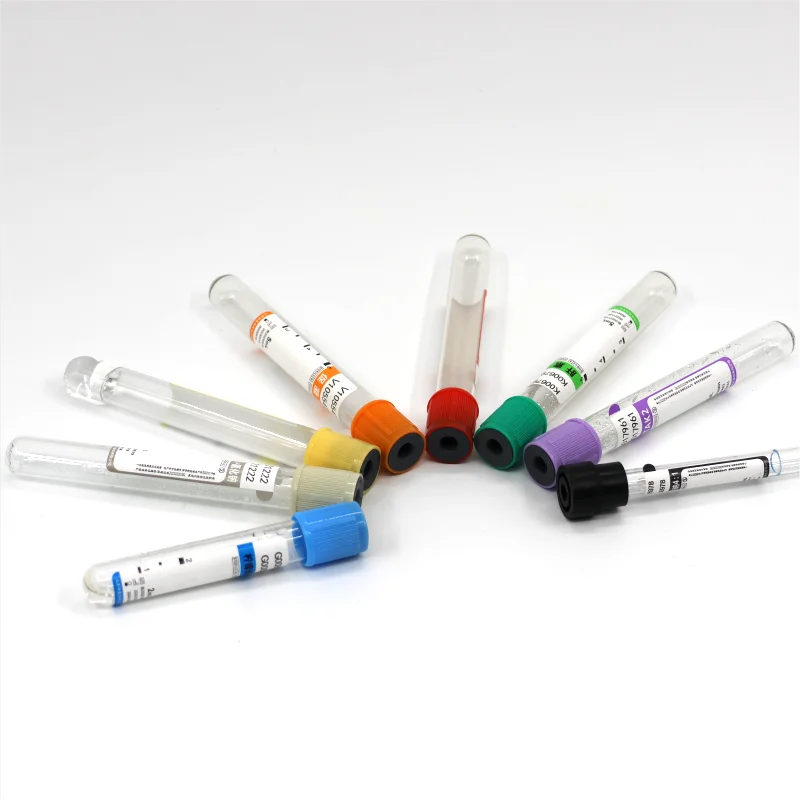
Overall, Vacutainer tubes are considered a vital tool for blood sample collection within the context of hospitals and labs. These tubes vary mainly as sterile and non-sterile types that offer a personal benefit. At Kangwei Medical, we ensure the production of high-quality Vacutainer tubes to keep our patients safe and monitor the tests accurately. The identification of a difference between sterile and non-sterile tubes can aid doctors and nurses in identifying the right framework for usage within a certain task and work. The two types of tubes are similar, however, how they are created and utilized can impact the overall result of the medical test or treatment. Therefore, the acknowledgment of such critical changes can prevent mistakes that can further prevent various individuals from being sick.
What Are the Key Differences Between Sterile and Non-Sterile Vacutainer Tubes?
They’re put together in the cleanest of environments where germs and bacteria will be removed or killed off. This process is called sterilization. The tubes are then capped securely so no germs can get in before they are used. Sterile tubes are required if blood should be collected in a tube without contamination by any bacteria or virus. This is particularly important for tests that screen for infections, or when the blood will be used for special treatments as in the case of transfusion. “Say you’re testing a patient for something like pathogenic bacteria,” Dr. LaShier said. The sterile tube will prevent the test from falsely indicating germs on the outside of it. On the other hand, non-sterile Vacutainer tube are produced in a less-than strictly clean environment where some microorganisms may remain but are still good enough for many of your everyday blood tests. An example in which the presence of tiny amounts of germs doesn’t matter would be tests, for something like blood sugar levels or cholesterol checks. Non-sterile tubes are commonly cheaper as they don’t process through the additional sterilization procedure. Kangwei Medical makes both types, deciding on which to sterilize depending on the tube’s intended use. The materials of construction will be different as well, sterile tubes may contain coatings or additives to ensure the specimen stays safe and stable, while non sterile tubes can be more basic. And there is a crucial distinction in labeling many sterile tubes are clearly marked as such, so health care workers can quickly identify the right tube.
Typical Problems Associated with the Use of Non-Sterile Vacutainer Tubes in the Hospital Environment
Processing of non-sterile Vacutainer tubes may sometimes prove to be a challenge, particularly in hospitals or other places where the safety of the patients matters. Contamination is one of the major issues. Non-sterile tubes might contain even minute germs even though the tubes appear clean. In case these tubes are utilized in serious tests, the results might be false. An example of such a test is a blood culture test, which is a look to determine whether the bacteria got into the blood. When using a non-sterile tube in this case, it could be possible to obtain bacteria not on the blood of the patient but on the tube. This can cause the doctors to prescribe antibiotics that are unnecessary or ignore the actual infection. The integrity of blood samples is also another concern that can be presented by non-sterile tubes. Some constituents of the blood decay faster when the tube is not sterile or lacks sufficient preservatives. This may as an example lead to incorrect measurements of enzymes levels or quantities of gases in the blood. Moreover, non-sterile tubes should be used near never in drawing blood to have it used in a research or in a special treatment. In Kangwei Medical, we have seen numerous situations where improper tube resulted in delays in treating patients. There are some samples that were to be redrawn due to the inconclusive nature of the first test. This is time wastage and uncomfortable to patients. Staff training is essential because all of them should be aware of when sterile tubes should be used. Your non-sterile tubes can be used on your daily checks, and it is not a good business to confuse both. Not only do such contaminations cause problems, they can also result in costly errors and loss of confidence in test results. That is why it is the duty of hospitals and labs to maintain a separation and mark sterile and non-sterile tubes. Kangwei Medical is ready to assist and they provide the tubes packed in transparent bags and with directions so that the health care workers could find the appropriate product in each case.
Why are Sterile Vacutainers Ideal for Sensitive Lab Applications?
Sterile Vacutainer tubes are special tubes that contain a little bit of preservative and are used in hospitals and labs to draw blood or other bodily fluids. The word “sterile” is telling you that these tubes are totally clean, germ-free if you will, and free of bacteria and little bits of stuff that can contaminate your plate! This is particularly good for keeping sensitive laboratory tests on something that touches very dirt or germs can change the results. When doctors want to look for infections, diseases or other health issues, they use sterile tubes since these tubes can help the sample remain pure and safe.
One major reason it is recommended that these tests be performed with sterile Vacutainer tubes, is because they help prevent errors. If a tube is not sterile, for example, germs from the container could taint your blood sample. This could result in inaccurate lab readings and lead to doctors being misled about what is actually happening inside the patient’s body. For instance, if germs from a non-sterile tube contaminate the blood sample, it can appear as though a patient has an infection when they really do not. This can result in wrong medicine or treatment being prescribed.
The Kangwei Medical provides the best quality of safety and cleanliness with sterile Vacutainer. The special machines make those tubes and keep them germ-free until the time when they are sealed and dispatched. Labs can offer correct results through the use of sterile tubes, which are of good quality such as the ones manufactured by Kangwei Medical. This is especially important when tested have a high level of verification that must be thoroughly done like blood cultures, hormone tests or tests on life-threatening diseases.
Sterile tubes are significant as well since they take care of your health and safety of your patient and healthcare provider. Infection during the collection of blood is limited because of the cleanliness of the tubes. It is safer to all when blood is made to flow. Thus, sterile Vacutainer tubes will suit well in the sensitive lab work where the accuracy and safety cannot be subject to compromise.
Bulk Blood Collection Non-Sterile Vacutainer Tubes for Routine Use - Where to Buy
Non-sterile Vacutainer tubes find their uses in those places where constant blood tests are being conducted and the extra degree of cleanliness sterile tubes offer is not required. An example would be hospitals or laboratories using non denatured tubes to perform blood tests; along with being able to check blood sugar levels or cholesterol, there would be such typical indicators of skeletal muscle injury like Creatine Phosphokinase. Tubes can continue to be used provided there is minimal risk of contamination or, in case the blood sample is going to be tested in a few hours.
In case you would like to buy non-sterile Vacutainer tubes in large amounts, then it is essential that you identify a reliable supplier. In large quantities, Kangwei Medical has cheap yet quality non-sterile Vacutainers tubes. To purchase more than one at once is economical, and will be sure to have a tube always on hand to use every day. Hospitals and testing centers that receive large quantities of blood samples per day have a significant application of written instructions.
When you purchase at Kangwei Medical, you will get tubes constructed of hard materials and which will not become broken or leak easily. Since they are not sterile, the maker tries to avoid dust and dirt in them. This does not sterilize them, but it does render most forms of routine tests safe. Nonsterile tubes can be equipped with caps of different colors and these colors indicate the kind of test which is done on a tube. That saves time of lab workers on the procedure of choosing the appropriate tube to a specific test.
Buying non-sterile Vacutainer tubes in large quantities with Kangwei Medical would also imply the same thing, that you would be receiving good customer service. In case you are not quite sure of the tubes that would suit you, the business will advise you on the choice to make. Blood collection is possible regardless of the clinics and labs because of the dependability of stock of these tubes. Conclusively, the day-to-day blood tests which actually require defaulting the supra clean tubes non sterile Vacutainer tubes manufactured by Kangwei Medical make a very prudent and conducive choice.
What Are the Dangers in Using Non Sterile Vacutainer Tubes in Medicine?
Sometimes, non-sterile Vacutainer tube products are an issue in the medical practice. These tubes are not sterile when they are out of the box and they may contain particles or germs in them that may contaminate izing the blood sample. And when it happens to do, that can cause false test results and even infections. As an example, when a sample is referred to test an infection in a non-sterile tube, it is possible that germs in that tube may penetrate that sample. This may lead to a wrong perception that the patient is infected when they are not and cause a doctor to prescribe treatment without the necessity.
The other risk is a high possibility of latency in the application of non-sterile tubes in tests which demand extremely clean samples. In case the contamination is detected in the lab, the test might be required to be repeated. That implies that the patient should resume another blood sample, a process that may be startling and tedious. It also postpones the realization of what is wrong and commencement of suitable treatment.
Containers of sample used are also not sterile and can expose patients and healthcare workers to cross-contamination. Although the tubes are covered, they can still move if they are not stored properly or in case a counter is not clean. That is why sensitive tests are more important or in cases when a patient is uncompromising it is vital to use sterile tubes.
Kangwei Medical has not been ignorant of these risks, and thus offers all sterile and non-sterile Vacutainer tubes in assorted needs. A non-sterile tube is suitable to use in routine tests and investigations, sterile is a better option when the most critical attributes are safety and precision. The right kind of tube manufactured by Kangwei Medical is what makes the patient safe and enables the medical practitioner to have confidence in that test result. This selective method will reduce the number of errors and allow physicians to make the most beneficial decisions in respect to patients.
Table of Contents
- What Are the Key Differences Between Sterile and Non-Sterile Vacutainer Tubes?
- Typical Problems Associated with the Use of Non-Sterile Vacutainer Tubes in the Hospital Environment
- Why are Sterile Vacutainers Ideal for Sensitive Lab Applications?
- Bulk Blood Collection Non-Sterile Vacutainer Tubes for Routine Use - Where to Buy
- What Are the Dangers in Using Non Sterile Vacutainer Tubes in Medicine?