 EN
EN
 AR
AR
 BG
BG
 HR
HR
 CS
CS
 DA
DA
 NL
NL
 FI
FI
 FR
FR
 DE
DE
 EL
EL
 HI
HI
 IT
IT
 JA
JA
 KO
KO
 NO
NO
 PL
PL
 PT
PT
 RO
RO
 RU
RU
 ES
ES
 SV
SV
 TL
TL
 ID
ID
 SR
SR
 UK
UK
 VI
VI
 HU
HU
 TH
TH
 TR
TR
 AF
AF
 MS
MS
 BE
BE
 IS
IS
 KA
KA
 BN
BN
 NE
NE
 MY
MY
 KK
KK
 UZ
UZ

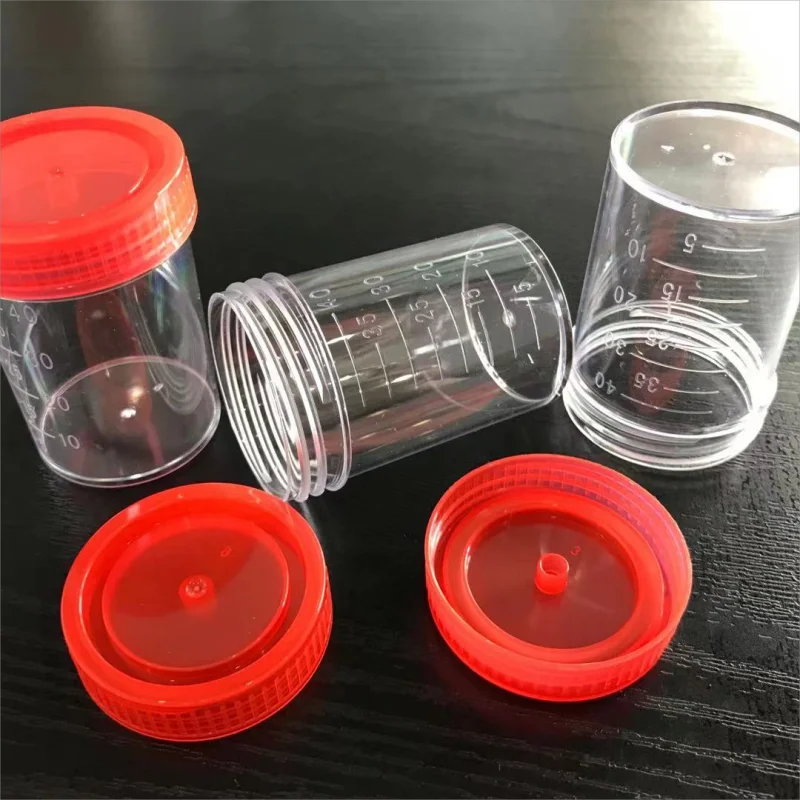
When it comes to taking urine samples, the type of container you use makes a big difference. Some are sterile coloured cups and some are non sterile. You may be asking yourself what the problem is with that. Alright, when they say sterile urine cups, really all it means is that there isn’t any germs or bacteria and it helps to keep the collection of the urine clean for tests that need very accurate results. Sterile cups lack that same strong protection against germs, but they still have their place. At Kangwei Medical we do both with love in mind for what the users needs. It is not just what you drink your coffee out of, it is when and where you do so. In some cases, using the incorrect cup can lead to confusion or incorrect test results so it’s important for health workers and patients to be aware of the difference.
Sterile And Non Sterile Urine Cups - Things You Should Know When Ordering Urine Specimen Cups For Medical Or Laboratory Use
When seeking a urine cup, deciding between sterile or non-sterile will be based on the needs of the test as well as where the test will take place. For instance, if a doctor orders a urine culture to rule out infections, sterile cups would need to be used. That’s because any bugs from outside could get mixed with the urine and give false results. Kangwei Medical’s sterile cups are tightly sealed and produced in clean rooms so germs can’t get inside. On the other hand, nonsterile cups are fine to use when conducting routine urine tests for things like color or sugar levels. In these scenarios, a few germs from the outside won’t really alter the results, so non-sterile cups are cheaper and simpler to obtain. At some hospitals, they may even employ non-sterile cups for urine collection when highly accurate results aren’t necessary, such as when checking hydration or general health. But watch out: if the urine is going to be tested for infections or delicate substances, sterile cups are the safe bet. At Kangwei Medical, we advise thinking first about the goal of the test before picking a cup. Having the correct cup also helps doctors trust and act on the results. It’s not just about the appearance or price of the cup; it’s also about what goes inside and how to keep it clean. Sometimes, the way the vessel is practiced around after it’s collected matters as much or more than the cup itself. So, sterile or nonsterile is only a piece of the puzzle.
Safe Use Of Non-Sterile Urine Cups For Routine Urine Collection
Non-sterile is a term that frightens many people and non-sterile urine cups are scary to some because they are not germ-free. But at Kangwei Medical, we know that often non-sterile cups do just fine when used properly. For instance, when patients gather their urine at home for a straight-forward examination in a kind of "sample toilet", non-sterile cups are frequently used, as they are cheaper and easier to handle. The trick, when it comes to safety, is that the outside of the cup remains clean and urine doesn’t become contaminated with dirt or hands. A bit of hand washing before collection and a tight cup after helps a lot. Non-sterile cups are commonly constructed of materials that do not react with urine, meaning the sample remains good for a routine test such as testing for blood or sugar. Another tip is not touching the insides of the cup or lid, to keep germs at bay. In hospitals, nurses will use non-sterile cups for these types of spot checks where infection is not a worry. Kangwei Medical’s cups are built with smooth sides and sturdy lids, and even the non-sterile versions can protect samples when treated right. It is a question of practicality and cleanliness. Urine specimens collected in non-sterile cups should be checked promptly, or refrigerated so that bacteria will not multiply. In this way, the cup remains cancer risk even if not sterile. So, non-sterile cups aren’t unclean or infectious in and of themselves; they simply need to be used with good care. Kangwei Medical Products can be trusted, because we take the time to think of these things and also because we are one in feeling every user out there deserves a good result without wasting their hard earned money or paying exorbitant costs.
How to Figure Out the Top Quality Sterile and Non-Sterile Urine Cups for Wholesale Buying
If you plan on purchasing in bulk, it is essential that you know what to look for when buying urine cups. At Kangwei Medical, we know it can be challenging to find the right sterile and non-sterile urine cups but you are in good hands with us so read on to find out some easy ways to recognize what you should be looking for. To start, consider what you require the cups for. Sterile urine cups are cleaned thoroughly and sealed to keep out germs. They are most useful for hospitals or clinics in which testing must be extremely clean. The urine cups that are not sterile aren’t sealed in the same way and could have small germs, but they are sufficient for general use such as in schools or workplaces where exact testing isn’t as rigorous.
And when you’re searching for the perfect cups, take a look at the material. Good cups are constructed with sturdy plastic that won’t break down into your drink, and they are leak proof. They should also be transparent so as to allow you to look for the urine inside without opening the cup. It facilitates rapid and accurate testing. At Kangwei Medical, we use high-quality plastic to ensure safety and sturdiness in our urine cups that meet health standards. The lid, too, is noteworthy. The cover should fit nicely to prevent spillage and protect the specimen. A good lid also acts as a barrier to air, preventing it from getting into sterile cups and dirtying them.
Also, take that cup size into consideration. The majority of urine cups can hold approximately 90 to 120 milliliters so there is enough to complete the test. Some cups have extra bells and whistles, like a measurement scale on the side. This makes it easy for users to see how much urine is inside. If you want to buy in bulk, always request samples so that you can ensure the quality. Kangwei Medical provides samples for customers to select otherwise they can purchase large quantity. Finally, ensure that the cups are appropriately labeled. Sterile cups should have “sterile” printed on pouch and expiration date clearly visible. Non-sterile test cups should also be labeled to prevent mix up. If you pay attention to these details, then you will be able to find the best sterile and non-sterile urine cups for your purposes without any hassle.
Common Usage Mistakes and Proper Use When Using Sterile and Non-Sterile Urine Cups
The proper use of urine cups is critical if you want the best test results. You can learn here about the simple mistakes people make when using sterile vs. non-sterile urine cups and ensure you don’t make the same ones. Touching the inside of the cup or the lid is an easy mistake to make. This is a big problem for sterile cups, because it can introduce germs and spoil the sample. And when you do, hold the cup from the outside and open it cautiously without your hand looking the inside. Kangwei Medical’s sterile urine cup have tight-sealing lids to prevent that, but users must still take care.
Another error to avoid is leaving the cup open after retrieving urine. If the lid is not tight, urine could spill or be contaminated leading to inaccurate test results. And make sure you screw the lid on tight. Occasionally, a non-sterile cup is used when a sterile one should have been employed. It can result in infections or misdiagnosis as non-sterile cups may contain germs. Before using, always read the label on the cup to ensure it is the right one. And also, some people forget to write their name or the date on their cup. This can create confusion as the samples are sent to laboratories. Kangwei Medical’s cups can be written on with information that is useful for keeping track.
Urine cups are often kept in dirty places or warmed by the sun. This can change the quality of the sample or break the cup. Store cups in a cool, clean location until use. Finally, many people fail to pay attention on how a correct sample is to be taken. For instance, the first flow of urine may not be considered clean. In many cases, the middle portion of urine is best for testing. Careful following of instructions helps assure the safety and cleanliness of samples. By keeping in mind these common errors when using sterile and non-sterile urine specimen cups, you can ensure your tests are both accurate and safe.
Why are Urine Cups Sterile at Hospitals and Non-Sterile for Home Use
In hospitals and clinics, doctors want to be pretty confident the urine samples they test are clean and devoid of germs. That is why sterile cups are used in the hospital. Sterile cups are produced so that no bacteria, viruses or any other germs can fit inside before usage. This is so that doctors have a more accurate result when they test the urine. Even a tiny germ from outside the body that lodges somewhere could make the test results come out differently, for example if a patient has an infection. Kangwei Medical cups are sterile urine and come with a tight seal and thorough inspection to ensure samples are not contaminated in health facilities.
Sterile cups also matter to clinics, because keeping them clean helps protect patients. Storing those samples, collected for tests like urine cultures, in a sterile cup reduces the risk of spreading infections. This is especially important in hospitals, where there are many sick people. Sterile cups also conform to stringent health standards that clinics are required to observe. Conversely, non-sterile urine cups are good for general usage, such as at schools, gyms and work sites. In such places, the tests are frequently straightforward whether it’s monitoring hydration or screening for drugs. The likelihood of requiring very clean samples is low, therefore it’s okay using non-sterile cups.
Non-sterile cups are generally cheaper and more readily available in large quantities. Kangwei Medical provides sterile & non-sterile urine test cups for various needs. Non-sterile cups can be used for general purposes and they are much cheaper without sacrificing too much quality for these sorts of tests. But non-sterile cups are not supposed to be used in hospitals, because the risk of incorrect test results or infections is too great. In other words, clinicians should have sterile urine cups because cleanliness and getting the right result are matters of life or death. Non-sterile cups come in handy when tests don’t have such stringent requirements, as occurs in an everyday context. Understanding the difference enables people to choose the right cup for the right place, and helps keep everyone safe and healthy.
Table of Contents
- Sterile And Non Sterile Urine Cups - Things You Should Know When Ordering Urine Specimen Cups For Medical Or Laboratory Use
- Safe Use Of Non-Sterile Urine Cups For Routine Urine Collection
- How to Figure Out the Top Quality Sterile and Non-Sterile Urine Cups for Wholesale Buying
- Common Usage Mistakes and Proper Use When Using Sterile and Non-Sterile Urine Cups
- Why are Urine Cups Sterile at Hospitals and Non-Sterile for Home Use