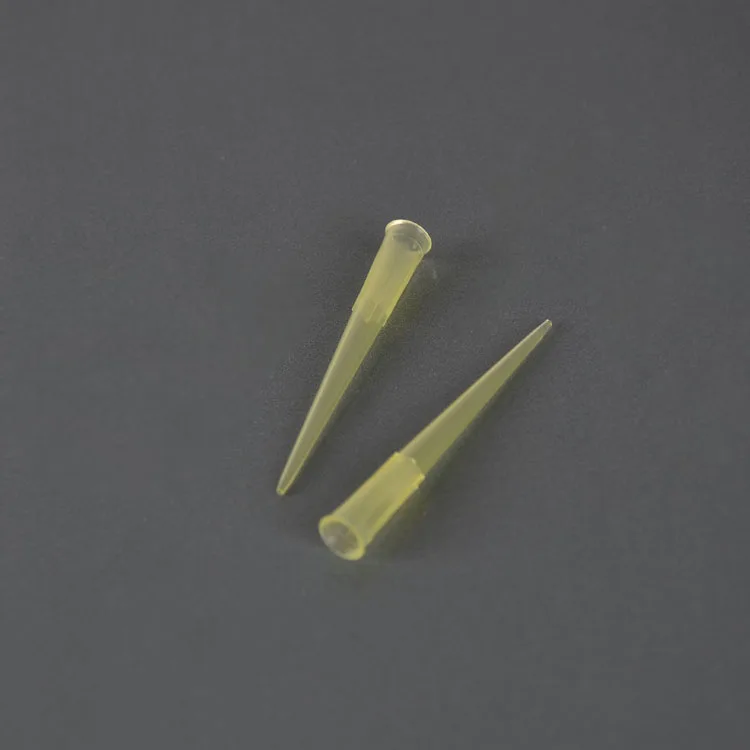
In the lab, scientists use a very important tool; a pipette tips. It is a special tool that enables them to take precise measurements of very small volumes of liquids. Some measures must be followed to use a tip micropipette correctly and safely. Let’s find out how to use a tip micropipette in detail!
Calibrating a tip micropipette is the same thing as checking that it measures the correct volume of liquid every time you use it. If it is not measuring accurately, you may not be getting the desired results. Here’s a guide on how to calibrate a micropipette:
When you do release the liquid, make sure you are doing that slowly and gently to not splash. Moving too quickly can result in very messy spills or miscalculations on a scale.
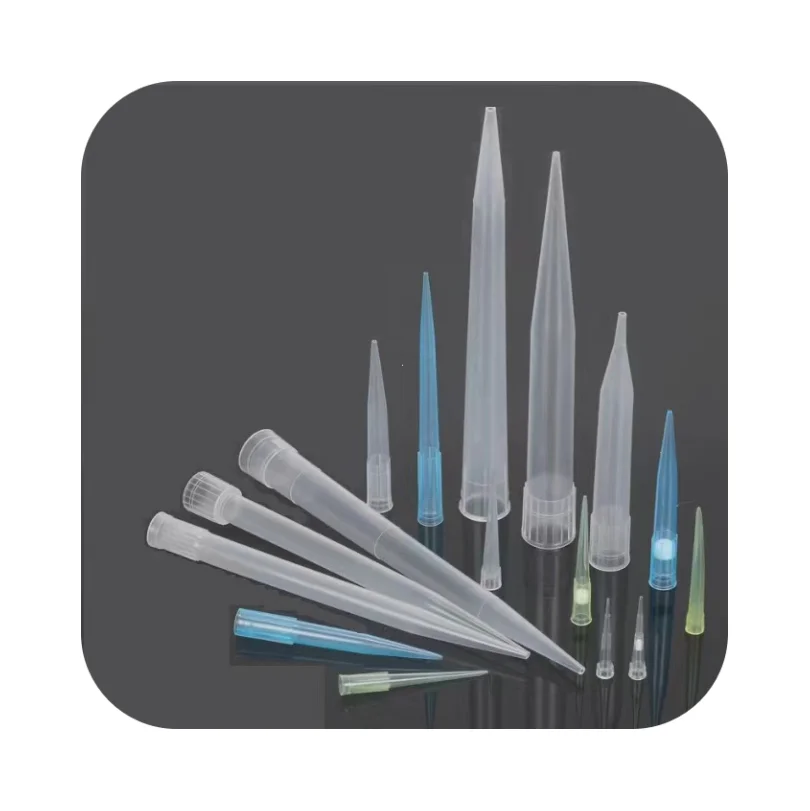
Selecting the correct tip for your micropipette is critical for ensuring accuracy in your measurements. Different tips are designed for different amounts of liquid. Here’s how to choose the right tip:
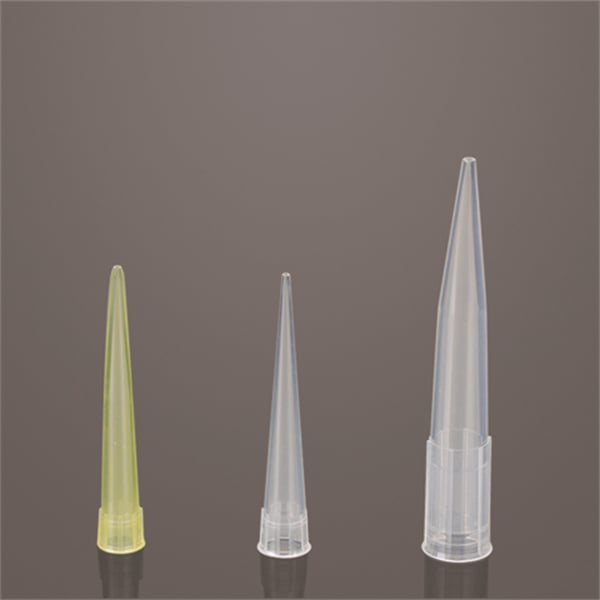
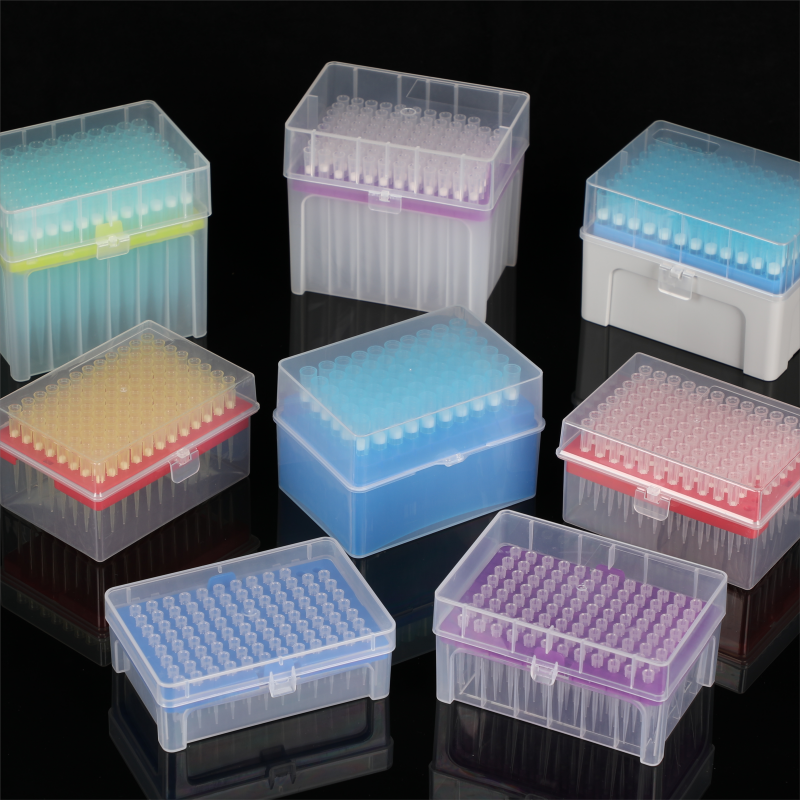
The micropipette tip is used for different types of micropipettes, so make sure the tip you use for a micropipette model of your choice. Not every tip is compatible with every micropipette, so ensure compatibility.
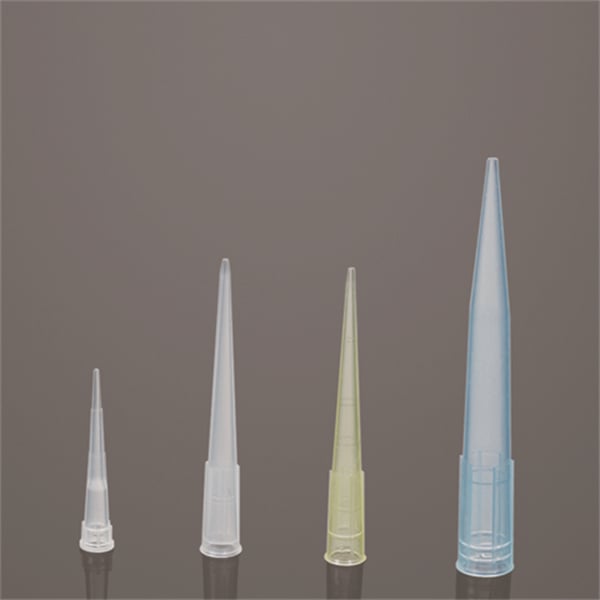
Contamination occurs to unwanted materials that are mixed in the liquid you are measuring. This will alter your results and make it incorrect. Here are few tips to avoid contamination while handling a tip micropipette:
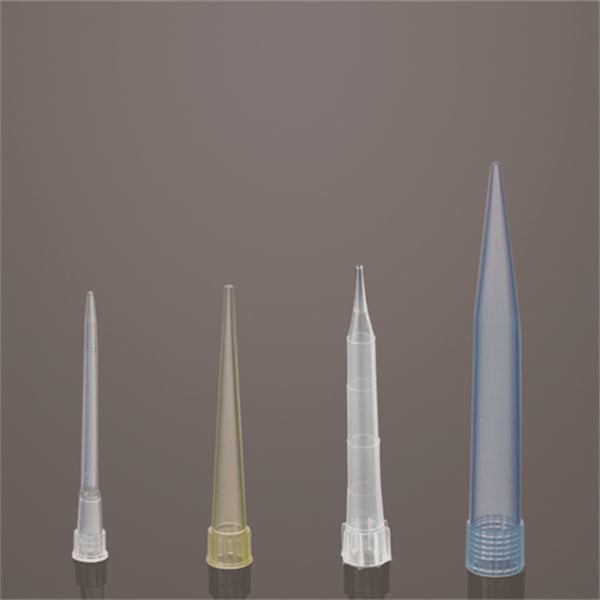
Keep practicing with water or with colored liquids. This will allow you to practice using the micropipette without the concern of wasting any cells or other important samples.
Meet personalized needs, improve product applicability and satisfaction. Having complete production and testing equipment to ensure stable and reliable product quality. Expanding from domestic to foreign markets and collaborating with clients from over 60 countries. Integrity first, quality first, and service first.
Taizhou Kangwei Medical Instrument Co, Ltd. established in 2010 and is a professional manufacturer of research and development, production, and sales of medical consumables and instruments, inspection consumables and instruments, laboratory consumables and instruments, and animal husbandry consumables and instruments.
20 years of production and manufacturing experience, reliable quality, and standardized processes. The company has introduced advanced equipment,greatly improving production efficiency. Source factory, refuse intermediaries to earn price difference.
We have a mature and excellent team with rich experience in serving overseas markets and the ability to handle various complex transactions. Ensure product quality and provide original products without any intermediate markup. The company has introduced advanced equipment,greatly improving production efficiency.
 EN
EN
 AR
AR
 BG
BG
 HR
HR
 CS
CS
 DA
DA
 NL
NL
 FI
FI
 FR
FR
 DE
DE
 EL
EL
 HI
HI
 IT
IT
 JA
JA
 KO
KO
 NO
NO
 PL
PL
 PT
PT
 RO
RO
 RU
RU
 ES
ES
 SV
SV
 TL
TL
 ID
ID
 SR
SR
 UK
UK
 VI
VI
 HU
HU
 TH
TH
 TR
TR
 AF
AF
 MS
MS
 BE
BE
 IS
IS
 KA
KA
 BN
BN
 NE
NE
 MY
MY
 KK
KK
 UZ
UZ