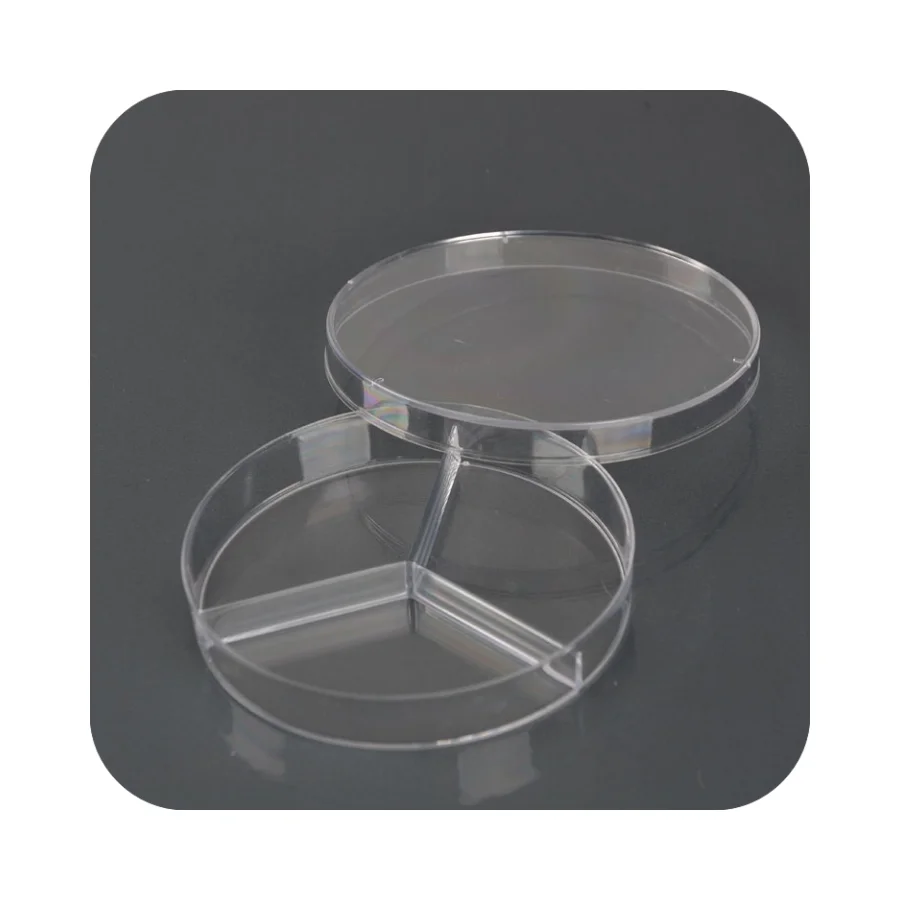
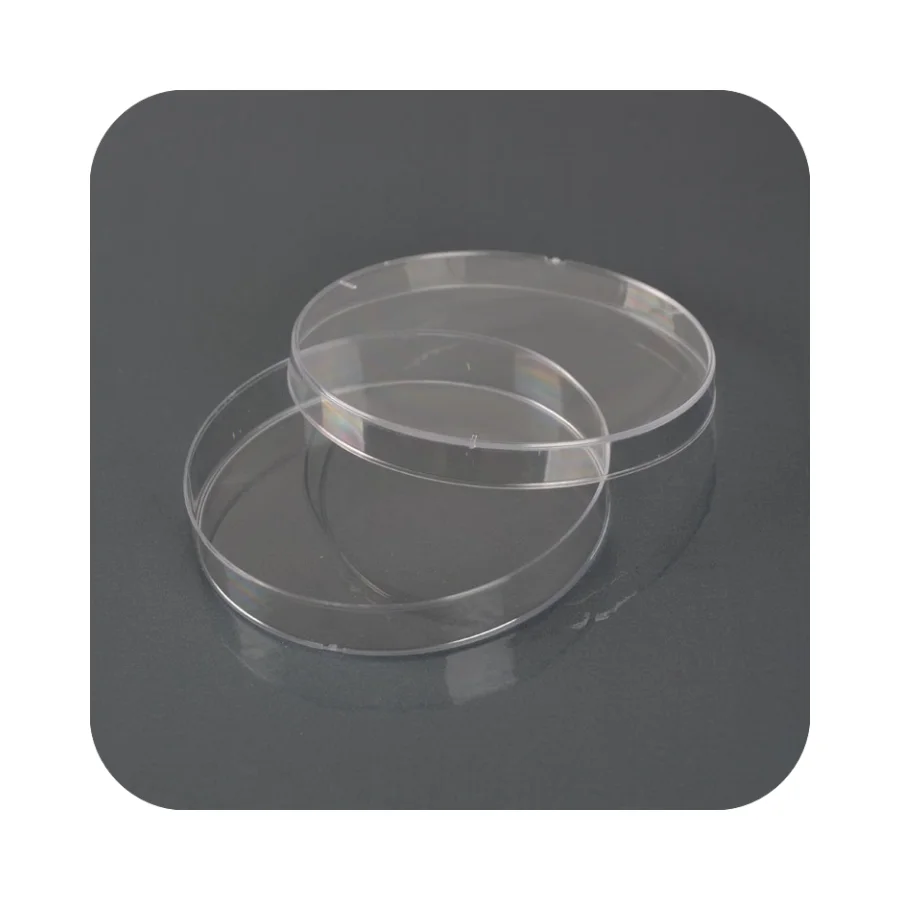
Microbes are little living things that we can’t see with our eyes. They are everywhere, even in places we might not think to look, such as on doorknobs, in soil and inside our own bodies. Scientists use special tools, such as a petri dish, to examine these tiny organisms at close range. At Kangwei Medical we take a peek at the world of microbes growing in a petri dish to learn more about them.
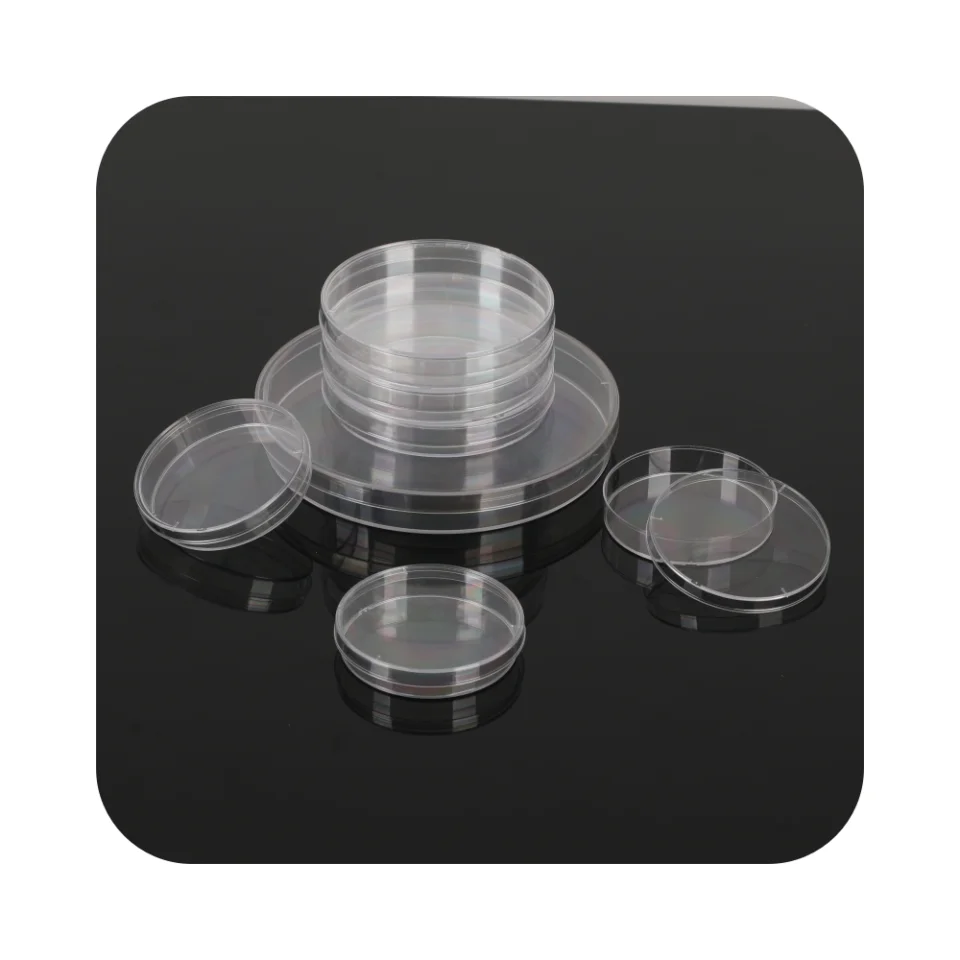
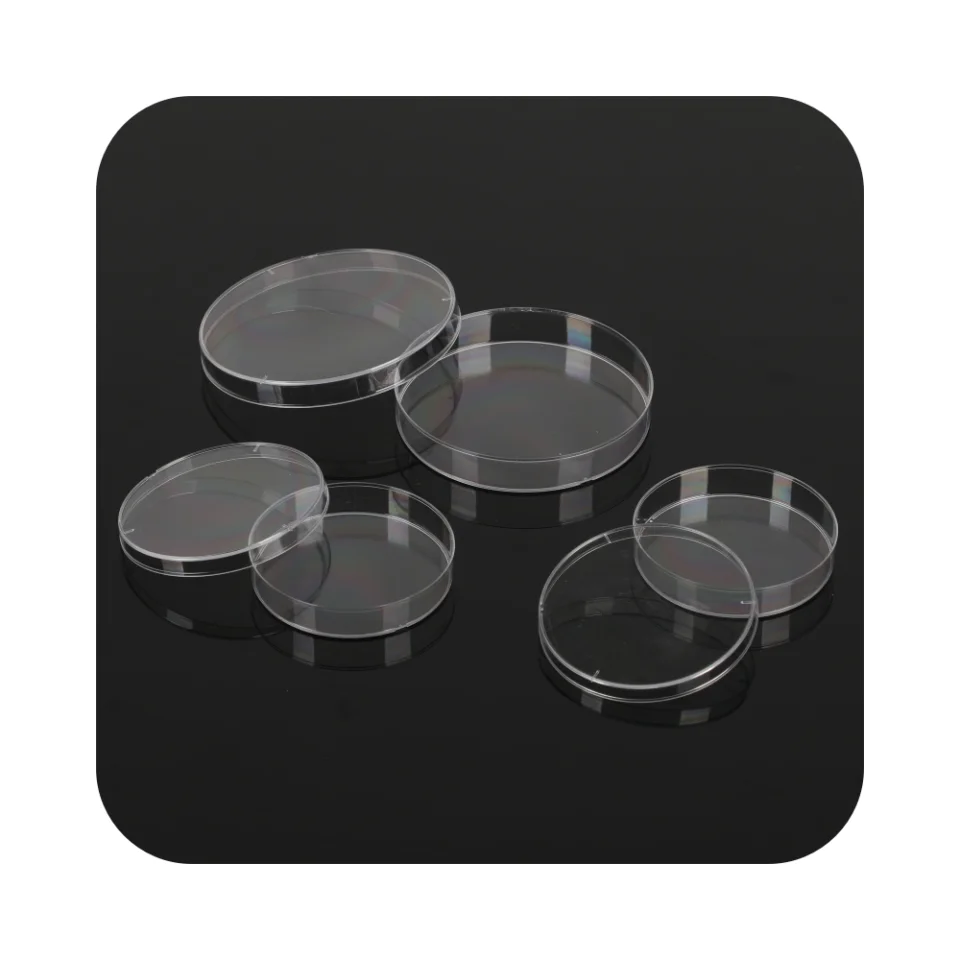
I did not grow up with petri dishes, so I think of them as a special kind of home for microbes. It's a shallow dish that is round and flat in clear plastic or glass. Special gel, a substance called agar, was put into the dish to aid the microbes in growing, the scientists wrote. Next, they place the dish somewhere warm and dark, such as an incubator, where the microbes can grow.
Just as when researchers study microbes in a petri dish, they might use a magnifying glass or microscope to see it more clearly. They see the microbes move and they grow. Some of the microbes are as round as little balls and others have long, stringy shapes. In studying microbes outside the body, in a petri dish, scientists can get a better sense of how they work and how they might influence our health.
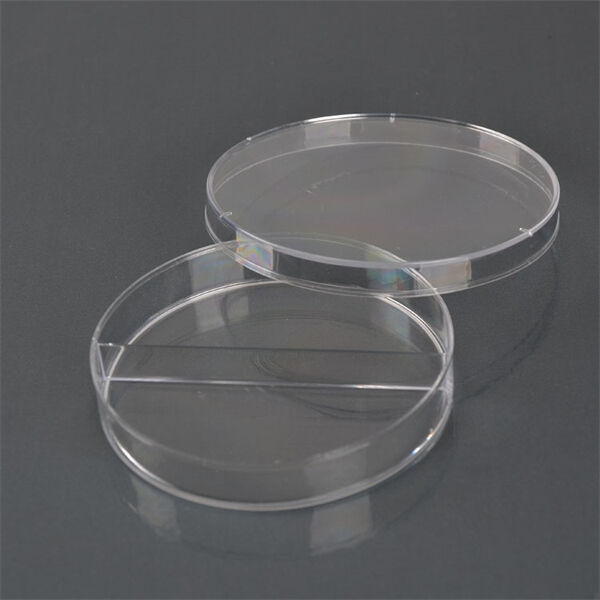
Researchers at Kangwei Medical experiment with microbes on petri dishes to develop a better understanding of them. They could mix other foods into the agar gel see which ones the microbes like best. They could also explore how various temperatures or levels of light could alter the way the microbes grow. Microbes on petri dishes Experiments with microbes on petri dishes can lead to new knowledge that is crucial in keeping us healthy.
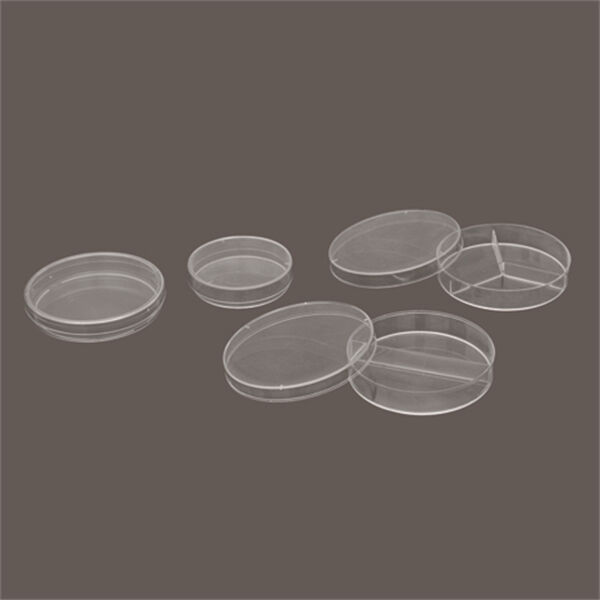
It’s like watching a tiny world come into being when you see microbes grow in a petri dish. A few micron-sized specks multiply into an entire colony, as in some species of microbes. Researchers can watch those colors change as different types of microbes grow side by side. It’s like a little rainbow of life unfolding right before their eyes. The intriguing world of microbial development in a petri dish teaches us how wonderful and complex these little living things can be.
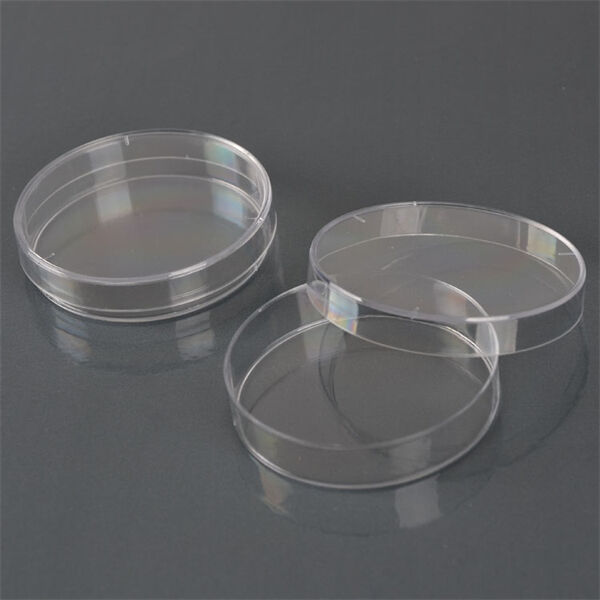
Like people, microbes have their behaviors and ways of interacting with each other. In a petri dish, scientists can watch how microbes move or eat or communicate with one another. Some microbes collaborate to support one another’s growth, while others compete for space and food. Watching them behave in a petri dish can be revealing of what kinds of microbes are out there.
20 years of production and manufacturing experience, reliable quality, and standardized processes. The company has introduced advanced equipment,greatly improving production efficiency. Source factory, refuse intermediaries to earn price difference.
Meet personalized needs, improve product applicability and satisfaction. Having complete production and testing equipment to ensure stable and reliable product quality. Expanding from domestic to foreign markets and collaborating with clients from over 60 countries. Integrity first, quality first, and service first.
We have a mature and excellent team with rich experience in serving overseas markets and the ability to handle various complex transactions. Ensure product quality and provide original products without any intermediate markup. The company has introduced advanced equipment,greatly improving production efficiency.
Taizhou Kangwei Medical Instrument Co, Ltd. established in 2010 and is a professional manufacturer of research and development, production, and sales of medical consumables and instruments, inspection consumables and instruments, laboratory consumables and instruments, and animal husbandry consumables and instruments.
 EN
EN
 AR
AR
 BG
BG
 HR
HR
 CS
CS
 DA
DA
 NL
NL
 FI
FI
 FR
FR
 DE
DE
 EL
EL
 HI
HI
 IT
IT
 JA
JA
 KO
KO
 NO
NO
 PL
PL
 PT
PT
 RO
RO
 RU
RU
 ES
ES
 SV
SV
 TL
TL
 ID
ID
 SR
SR
 UK
UK
 VI
VI
 HU
HU
 TH
TH
 TR
TR
 AF
AF
 MS
MS
 BE
BE
 IS
IS
 KA
KA
 BN
BN
 NE
NE
 MY
MY
 KK
KK
 UZ
UZ