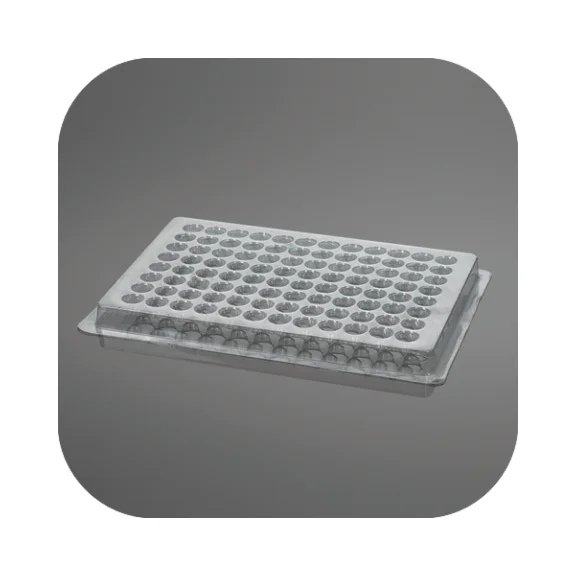
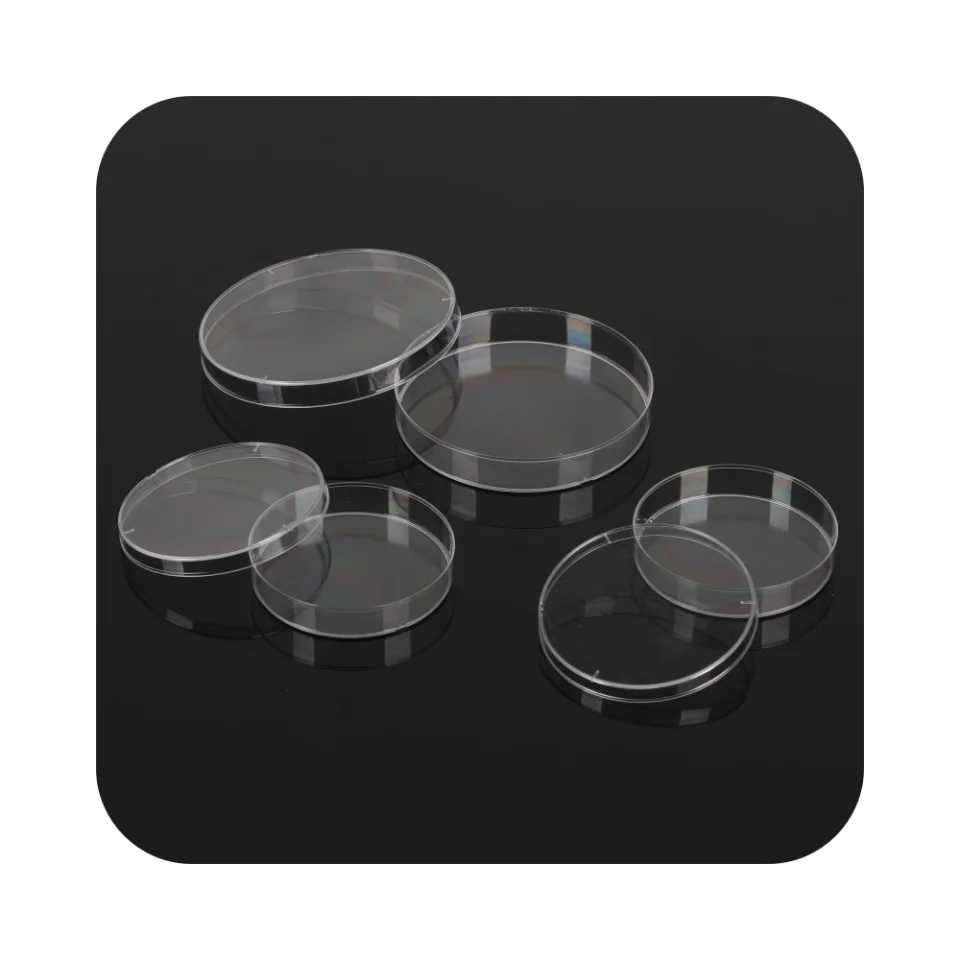
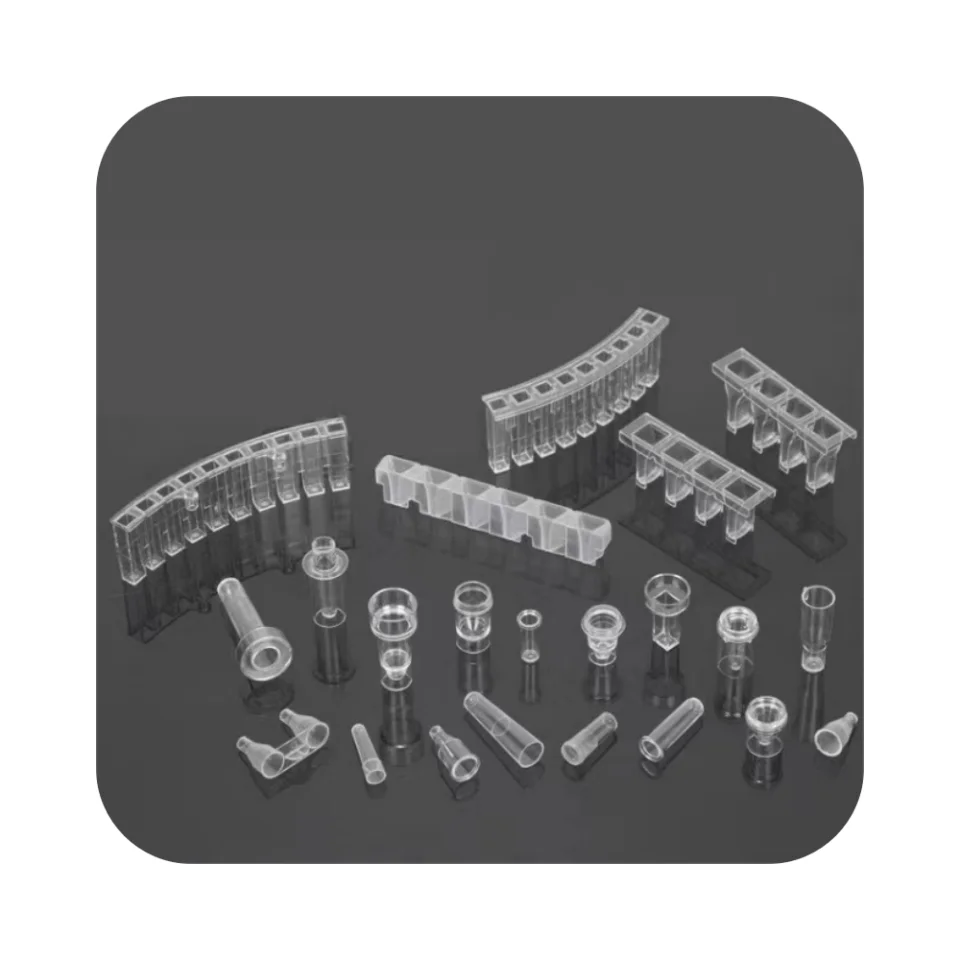
Lab slides are crucial instruments for doctors and scientists. They are small glass plates on which doctors can place a sample of blood, tissue or cells. The samples are then examined under a microscope. This process allows for something small that we would not be able to see on our own. At that moment, when doctors observe slides through our bodies, they can discover a lot about our health and the function of our bodies.
Many, of course, think of the clean slides a doctor uses in a laboratory to determine whether someone is sick. When doctors examine cells and tissues on a slide, they can see whether there are any problems or unusual signs that should be treated. This is especially useful as it helps doctors determine how to best treat patients, so that they feel better and recover from illnesses. Without the laboratory slides, it would be far more difficult for doctors to arrive at the right decisions on how best to treat patients.
Care must be exercised when making laboratory slides so that the samples do not get broken or spoiled. Initially, a small amount of the sample is introduced to the slide with the help of a small dropper or a pipette. This tool assists in depositing just the right amount of the sample. Then, a cover slip is carefully applied to the sample so that it is safe. It is most important to be gentle with yourself throughout this process. If we are not careful, the sample might not remain well preserved for examination afterwards. Carefully preparing the slides allows the doctors to see the samples when they look through the microscope.

In the field of scientific research, laboratory slides allow for study of both healthy and unhealthy cells and tissues. Scientists would like to understand more about how our bodies function, and what goes awry when we fall ill. So by looking at healthy cells and sick cells on those slides, they can tell what’s wrong and what could be contributing to the illness. It is really important information because it helps scientists and researchers create new medicines and treatments that can help a person to become better. Some of that research will involve understanding these differences — a key part of finding solutions to health problems.

That's when you put the sample on the slide and look under the microscope. A microscope is a special toy that makes the sample much larger, so the doctors and scientists can see the little details of the cells and tissues. So by looking closely at the sample, they can give you any problems or signs of disease. She takes a close look — an important part of the process of diagnosis, which is finding out what is wrong with a patient. Once they understand the problem, they can devise a treatment plan to help the patient heal.

Over time, laboratory slides have been very different in both medicine and research. Slides were once a simple thing, just a piece of plain glass with few features. Now there are special slides that are coated with chemicals that assist samples in sticking better to the slide. Plastic or silicon, those are also used as slides for various samples. These are big advancements have provided large efficiency for doctor and scientist to study on cells and tissues. These improvements enable them to collect more information and make better decisions related to health care.
Meet personalized needs, improve product applicability and satisfaction. Having complete production and testing equipment to ensure stable and reliable product quality. Expanding from domestic to foreign markets and collaborating with clients from over 60 countries. Integrity first, quality first, and service first.
Taizhou Kangwei Medical Instrument Co, Ltd. established in 2010 and is a professional manufacturer of research and development, production, and sales of medical consumables and instruments, inspection consumables and instruments, laboratory consumables and instruments, and animal husbandry consumables and instruments.
We have a mature and excellent team with rich experience in serving overseas markets and the ability to handle various complex transactions. Ensure product quality and provide original products without any intermediate markup. The company has introduced advanced equipment,greatly improving production efficiency.
20 years of production and manufacturing experience, reliable quality, and standardized processes. The company has introduced advanced equipment,greatly improving production efficiency. Source factory, refuse intermediaries to earn price difference.
 EN
EN
 AR
AR
 BG
BG
 HR
HR
 CS
CS
 DA
DA
 NL
NL
 FI
FI
 FR
FR
 DE
DE
 EL
EL
 HI
HI
 IT
IT
 JA
JA
 KO
KO
 NO
NO
 PL
PL
 PT
PT
 RO
RO
 RU
RU
 ES
ES
 SV
SV
 TL
TL
 ID
ID
 SR
SR
 UK
UK
 VI
VI
 HU
HU
 TH
TH
 TR
TR
 AF
AF
 MS
MS
 BE
BE
 IS
IS
 KA
KA
 BN
BN
 NE
NE
 MY
MY
 KK
KK
 UZ
UZ